

Introduction
The DJT price chart has become an essential tool for traders and investors who want to understand market behavior in real time. Whether you are a beginner or an experienced trader, analyzing the DJT price chart helps you make informed decisions based on price trends, volatility, and historical movements. In today’s fast-paced financial markets, ignoring chart analysis can lead to missed opportunities or unnecessary risks.
Many traders rely on the DJT price chart to identify patterns and forecast potential price direction. However, reading charts effectively requires both knowledge and discipline. Without proper understanding, even the most detailed chart can lead to confusion rather than clarity. That is why learning how to interpret the DJT price chart is crucial for consistent success.
In this guide, we will break down everything you need to know about the DJT price chart, including expert strategies, common mistakes, and actionable tips. You will also discover how professionals use chart analysis to improve trading performance and reduce risk exposure.
Understanding DJT Price Chart Basics
The DJT price chart represents the historical and real-time price movement of DJT over different time intervals. These intervals can range from minutes to months, depending on your trading style. By studying these patterns, traders can better understand market sentiment and possible future movements.
At its core, the DJT price chart reflects the balance between buyers and sellers. When buyers dominate, prices rise, and when sellers dominate, prices fall. This simple concept forms the foundation of all technical analysis techniques used in modern trading.
What Influences DJT Price Movements
Several factors impact the DJT price chart, including market sentiment, economic data, and global financial trends. News events often cause sudden price fluctuations, while long-term trends are shaped by broader economic cycles.


For instance, investor confidence can significantly influence the DJT price chart, leading to bullish or bearish trends. Additionally, trading volume plays a key role in confirming whether a price movement is strong or weak.
Understanding these influences allows traders to interpret the DJT price chart more accurately and avoid emotional decision-making during volatile market conditions.
How to Read DJT Price Chart Effectively
Reading the DJT price chart requires attention to detail and familiarity with charting tools. Most traders use candlestick charts because they provide a clear visual representation of price movement within a specific timeframe.
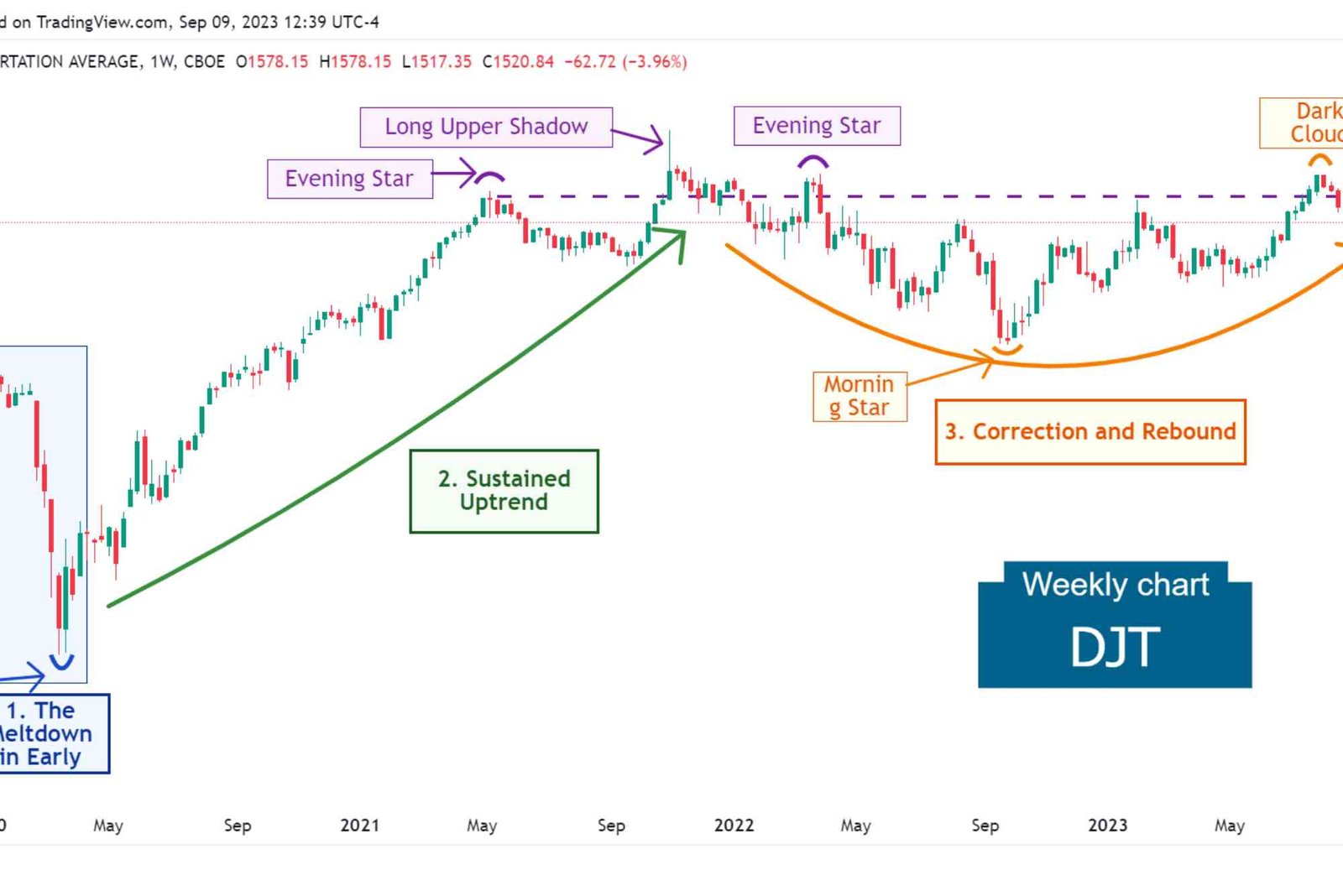
Each candlestick on the DJT price chart shows opening price, closing price, highest point, and lowest point. These elements help traders identify market trends and potential reversal points.
When analyzing the DJT price chart, it is important to focus on trend direction first. An upward trend suggests bullish momentum, while a downward trend indicates bearish pressure. Sideways movement often signals market indecision.
To deepen your understanding, you can explore additional resources like this detailed guide on Djt Price Chart which explains technical patterns in more detail.
Candlestick Patterns and Their Importance
Candlestick patterns within the DJT price chart provide valuable insights into market psychology. Patterns such as doji, engulfing, and hammer formations often signal potential reversals or continuation trends.
By combining candlestick analysis with support and resistance levels, traders can enhance their ability to predict future movements in the DJT price chart more accurately.
Practical Trading Strategies Using DJT Price Chart
Successful traders do not rely on guesswork. Instead, they use structured strategies based on the DJT price chart to guide their decisions. One common approach is trend following, where traders enter positions in the direction of the prevailing trend.
Another effective strategy involves breakout trading. In this method, traders watch the DJT price chart closely for key resistance or support levels. When the price breaks through these levels, it often signals strong momentum in that direction.
Risk management is equally important when using the DJT price chart. Setting stop-loss levels ensures that potential losses remain controlled even if the market moves unexpectedly.
For deeper financial insights, you can also explore Djt Price Chart Details to strengthen your strategy-building approach.
Entry and Exit Timing
Timing is everything in trading. The DJT price chart helps traders identify optimal entry and exit points. Entering too early or too late can significantly impact profitability.
Experienced traders often wait for confirmation signals on the DJT price chart before making a move. These signals reduce uncertainty and increase the probability of successful trades.
Common Mistakes When Analyzing DJT Price Chart
Many beginners misinterpret the DJT price chart by focusing only on short-term fluctuations. This often leads to impulsive decisions and unnecessary losses.
Another common mistake is ignoring market context. The DJT price chart should always be analyzed alongside broader market trends to gain a complete picture.
Over-reliance on indicators is also risky. While technical indicators are useful, they should not replace fundamental analysis of the DJT price chart.
Avoiding these mistakes can significantly improve your trading outcomes and help you develop a more disciplined approach.
Expert Tips to Improve Analysis of DJT Price Chart
Professional traders emphasize patience and consistency when working with the DJT price chart. Instead of reacting to every small price change, they focus on long-term patterns and confirmed signals.
One expert tip is to combine multiple timeframes. Analyzing the DJT price chart across different intervals provides a more comprehensive view of market direction.
Another valuable approach is maintaining a trading journal. Recording observations from the DJT price chart helps identify patterns in your decision-making process over time.
For additional financial perspectives, you may also Read more on www.ft.com to understand global market influences that affect price charts.
Future Outlook of DJT Price Chart Trends
The future of the DJT price chart will continue to be shaped by technology, data analytics, and algorithmic trading. As markets evolve, chart analysis tools are becoming more advanced and accessible.
Artificial intelligence is also playing a growing role in interpreting the DJT price chart, offering traders deeper insights and predictive analytics. However, human judgment remains essential for final decision-making.
Long-term trends suggest that traders who consistently study the DJT price chart will have a competitive advantage in understanding market behavior.
FAQs About DJT Price Chart
What is the DJT price chart used for?
The DJT price chart is used to analyze historical and current price movements. It helps traders identify trends, reversals, and market sentiment to make informed trading decisions.
How often should I check the DJT price chart?
It depends on your trading strategy. Day traders may check the DJT price chart frequently, while long-term investors may review it weekly or monthly.
Can beginners understand the DJT price chart easily?
Yes, beginners can learn the DJT price chart with practice. Starting with basic concepts like trends and candlestick patterns makes it easier to understand.
Is the DJT price chart reliable for predictions?
The DJT price chart provides valuable insights but is not 100% predictive. It should be used alongside other analysis methods for better accuracy.
What tools are best for analyzing DJT price chart?
Popular tools include TradingView, MetaTrader, and other charting platforms. These tools help visualize the DJT price chart effectively with indicators and overlays.
The DJT price chart is more than just a visual representation of price movements. It is a powerful tool that helps traders understand market behavior, manage risks, and improve decision-making. By learning how to interpret the DJT price chart correctly, you can significantly enhance your trading strategy.
Whether you are analyzing short-term fluctuations or long-term trends, consistency and discipline are key. The more you study the DJT price chart, the more confident you become in your market analysis.